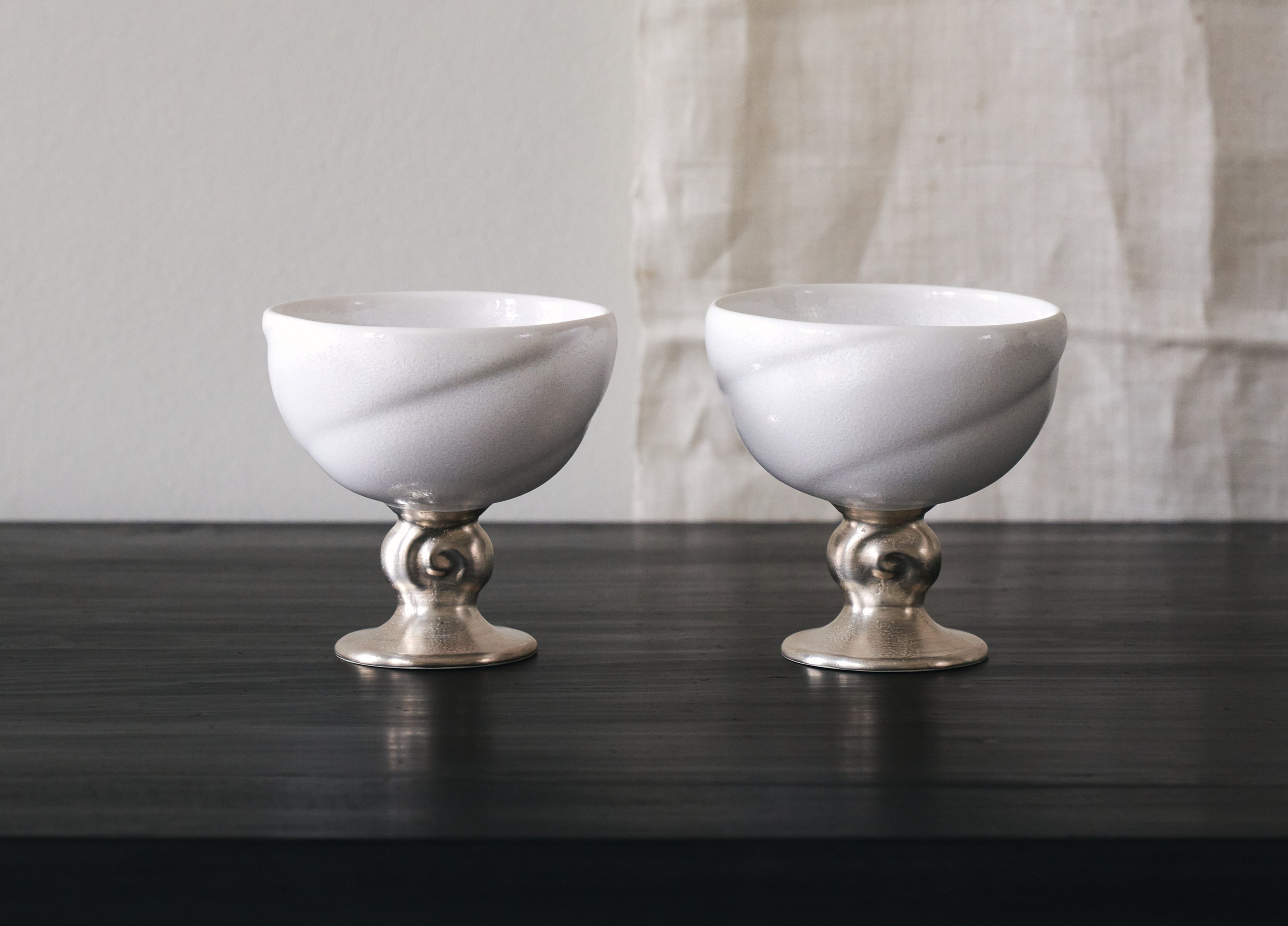
We spoke with Hyunji Jeon, founder of Seoul-based ceramic design studio IAAC Crafts, about her approach to materials, design, and making objects for everyday life.
In Conversation with Hyunji Jeon of IAAC Crafts
01.11.26
How did IAAC Crafts begin?
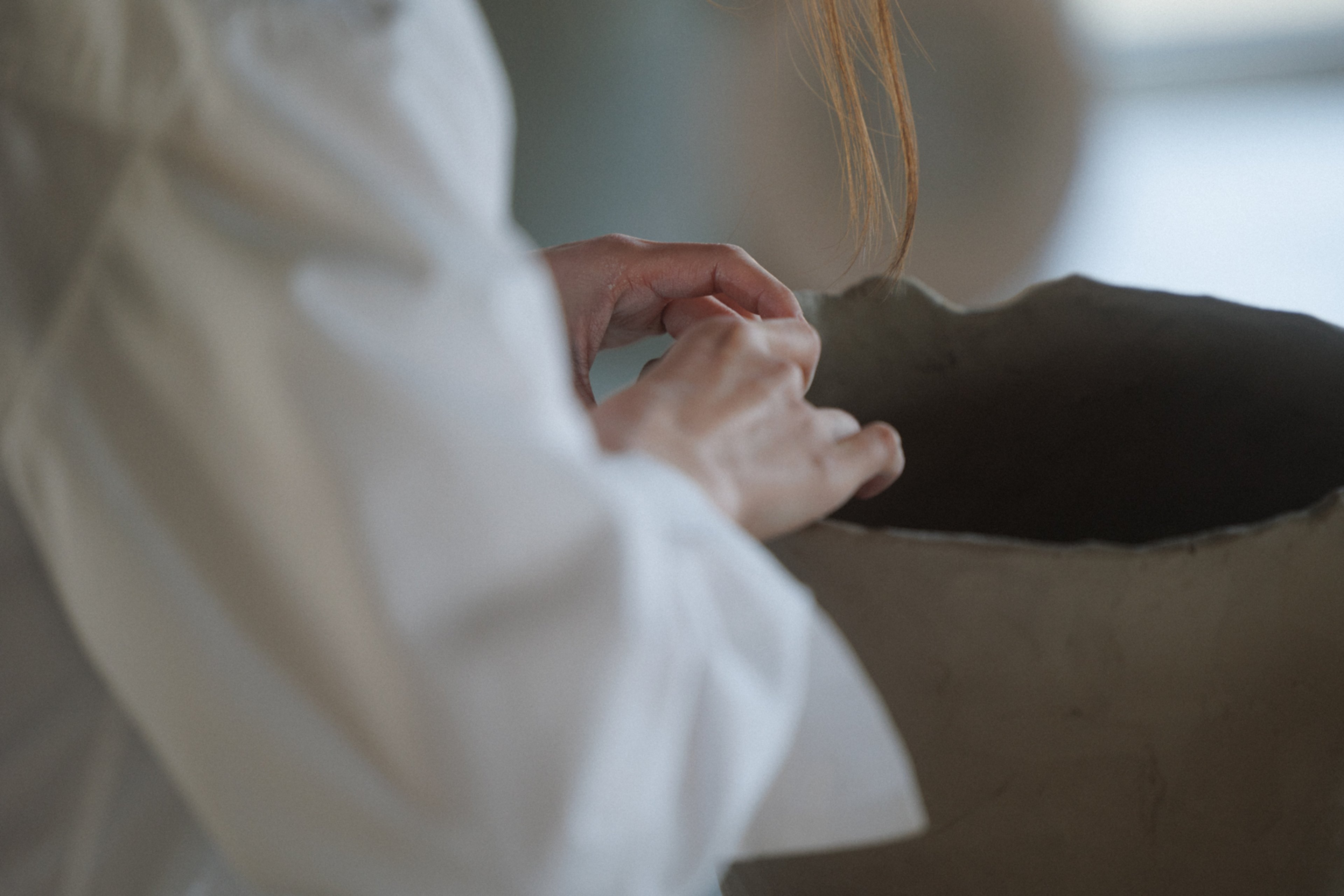
IAAC stands for ‘I Am A Ceramist.’ When I started IAAC Crafts, the profession of a ceramist was still relatively unfamiliar to the public. Many people thought of potters as people who made vessels on a pottery wheel, but I had experienced ceramics as a medium with possibilities for sculptural expression beyond tableware. I wanted to create a brand that could show the wider possibilities of ceramics and the role of a ceramist. That's how IAAC Crafts began.
How has IAAC Crafts evolved?
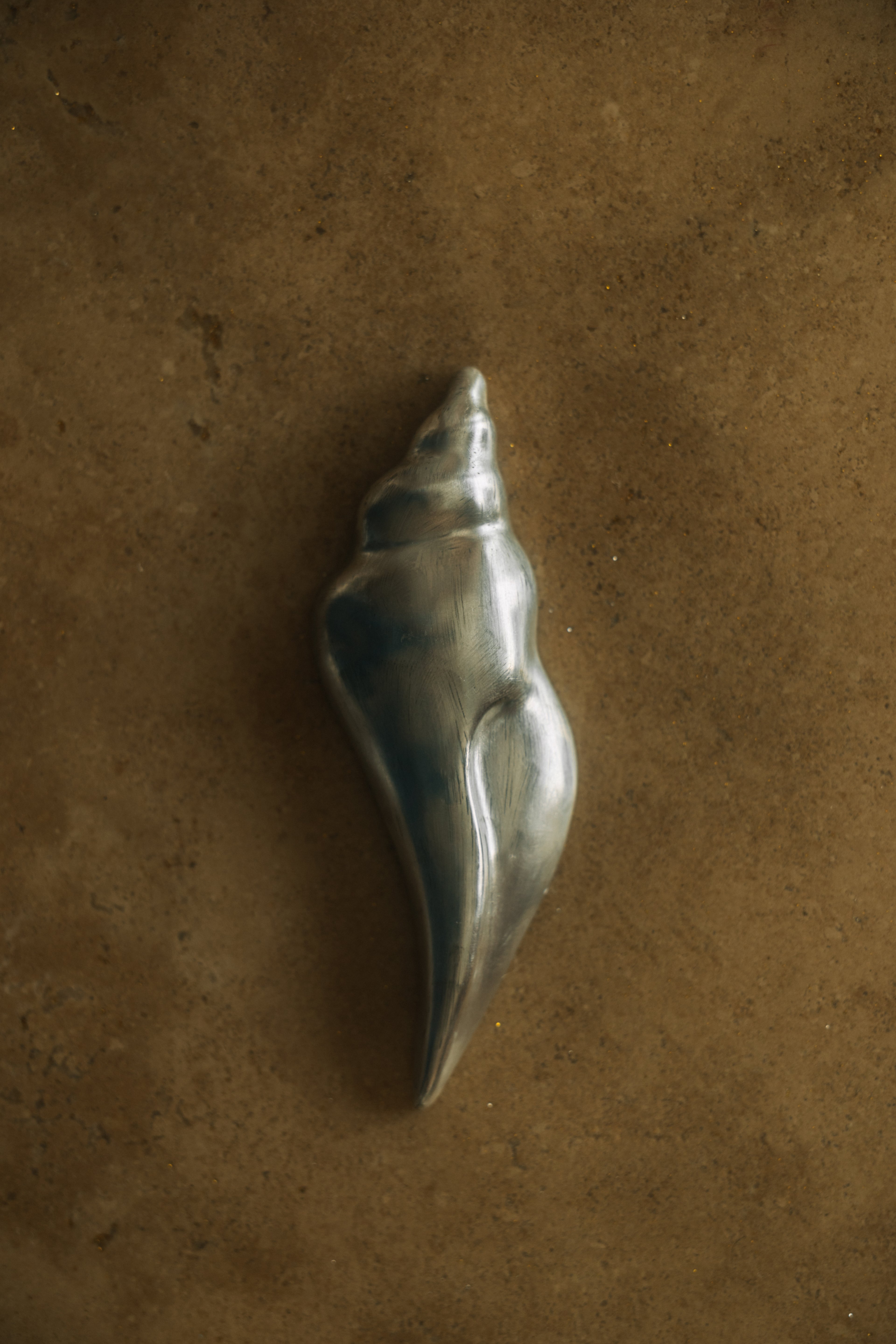
The biggest change is that, beyond expanding our collections, we've begun working with materials other than clay. But the things I consider most important haven't changed much since the beginning. Whenever I create a new product, I ask myself, ‘Why am I making this object?’ and ‘Can it be used for a long time?’ I want to make objects that don't lose their value over time, both aesthetically and functionally.
What guides your approach to design?
I enjoy observing the characteristics of materials and exploring the unique qualities of each one. I think making things is ultimately a process of discovering their essence. This approach is reflected in the designs of IAAC Crafts. Each collection is developed around different clays, glazes, textures, and colours. I focus on finding forms that best express the qualities of the materials.
What is the philosophy behind IAAC Crafts?
‘Makes Life.’ We want to create objects that have a quiet presence in everyday life. I believe good design enriches our lives without drawing too much attention to itself. Our aim is to make objects that become a natural part of people's daily lives and stay with them for a long time.
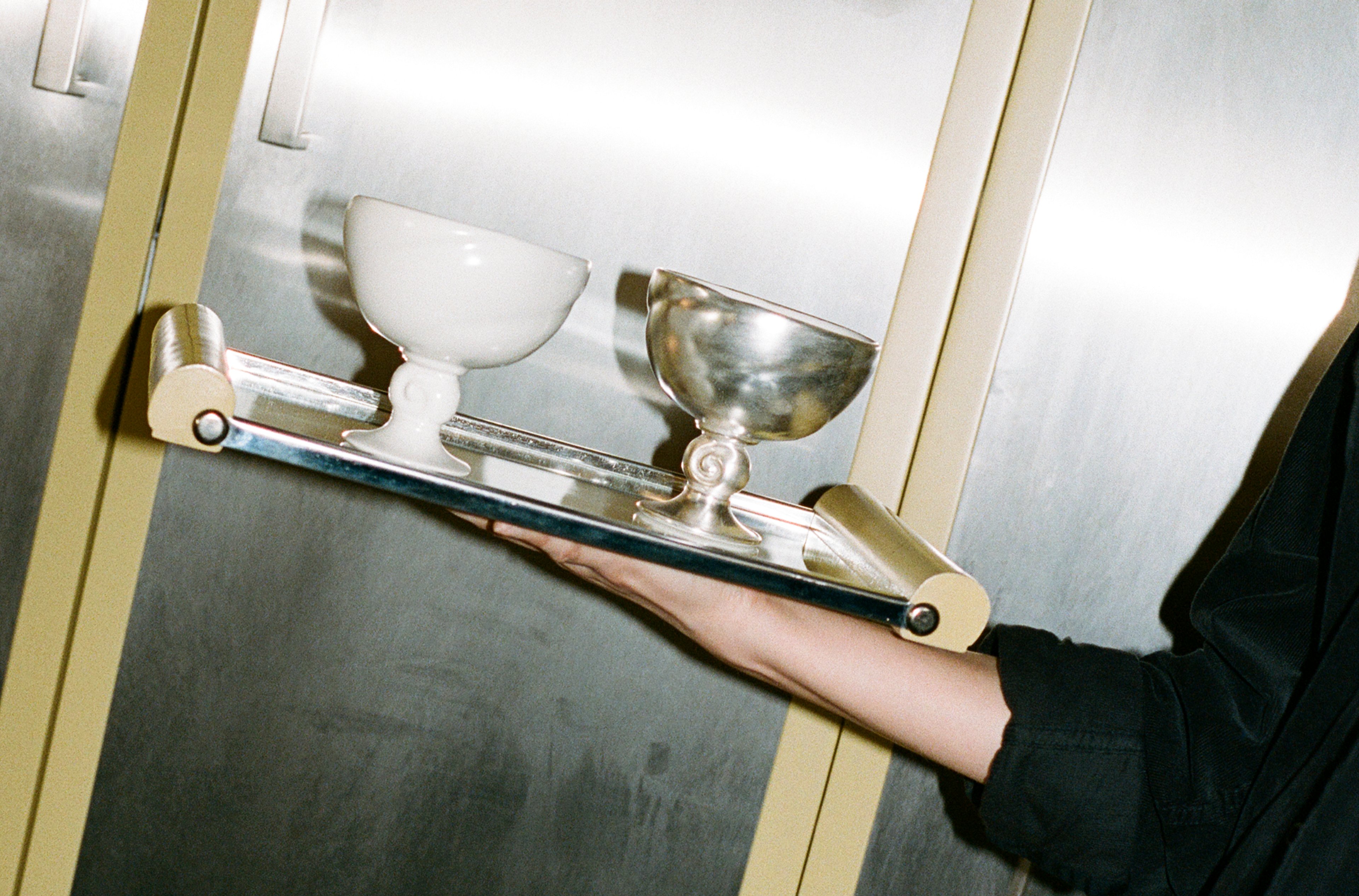
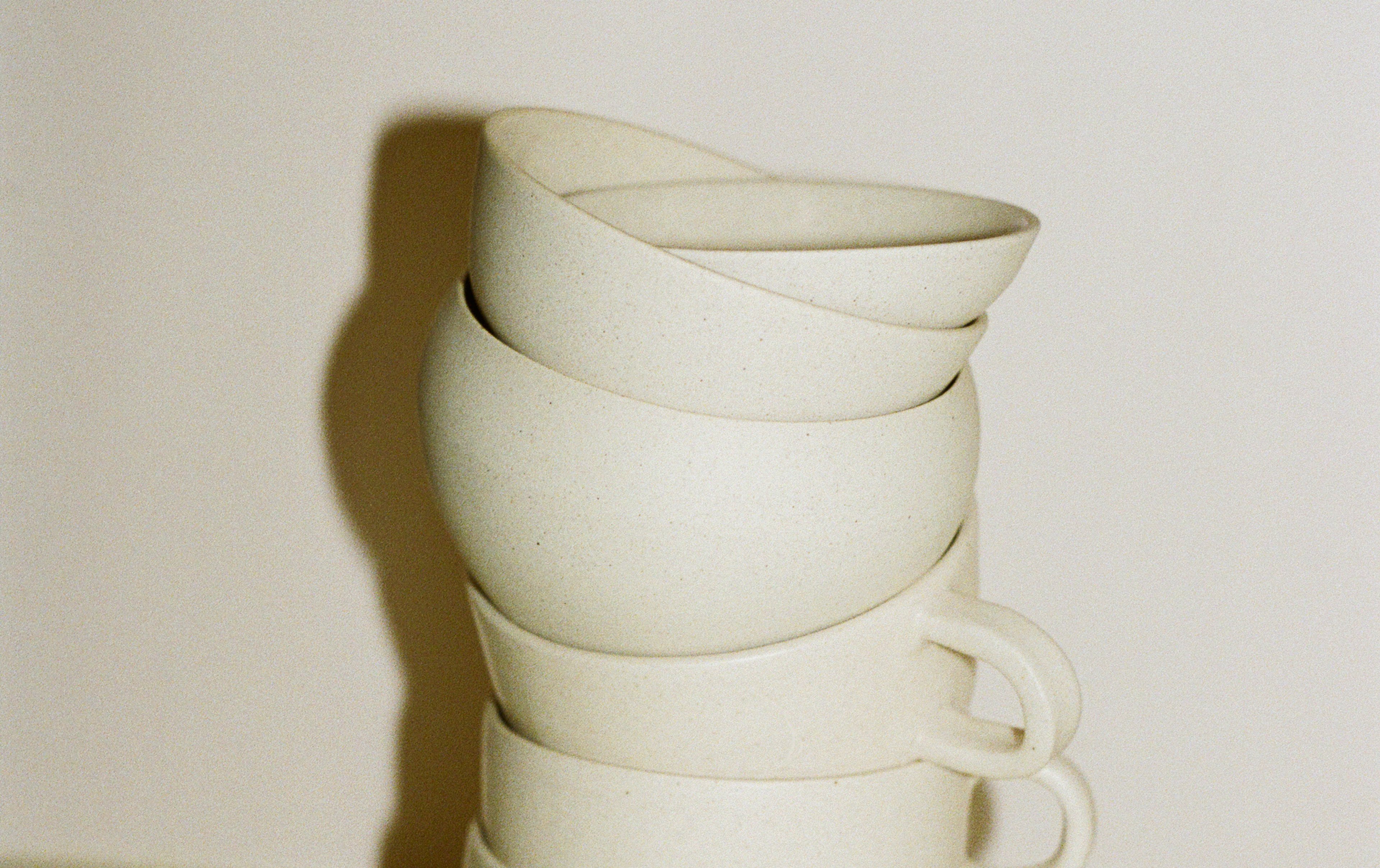
What makes a good design? “I believe good design is achieved when an object's function goes beyond simply being functional and becomes part of the design itself. Even if something is beautiful, it's difficult for it to last if it's uncomfortable to use. On the other hand, function alone isn't enough. I think it's important to find a balance between respecting the qualities of the material and making something comfortable to use in everyday life.”

What do you find special about handmade objects?
Objects made by hand naturally carry the time and sensibility of the person who made them. I often compare this to handwriting. Even when writing the same letter, everyone's handwriting is different. Just as handwriting can convey a sincerity that typing cannot, small marks and subtle differences appear depending on the maker, even when making the same form. I think these differences create a warmth that you can't find in perfectly identical products, giving each object its own sense of life.
What matters most in your making process?
It's a difficult question because every stage requires care. There may be things we miss, but we continually research and improve our process to achieve a level of quality we're satisfied with at every stage.
What interests you most about ceramics as a material?
Our main materials are clay and glazes. I think ceramics holds both fragility and permanence. I love the natural textures of clay and the unpredictability that comes with firing. We use a variety of ceramic techniques to allow these qualities of the material to come through in the finished pieces.